ponedeljek, 05. oktober 2026 leto 31 / št. 278

Kremelj: Moskva bo uporabila ves svoj arzenal za zaščito Kaliningrada, to ni grožnja, ampak opozorilo
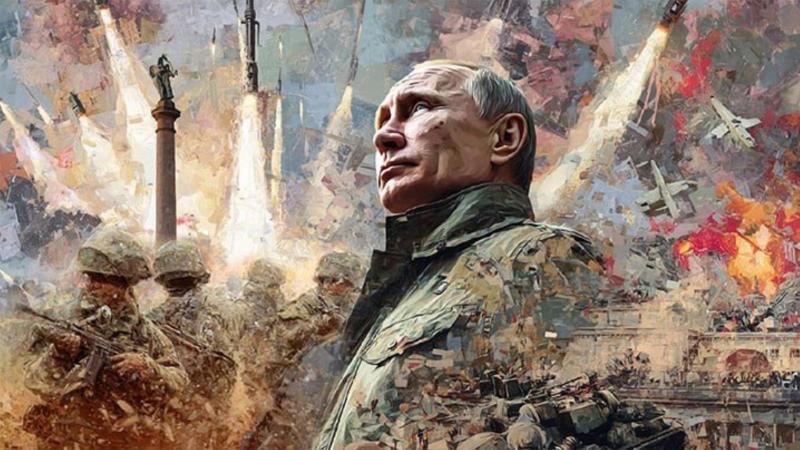 »Dokler ne bo mogoče doseči miru, se bomo borili in borili se bomo z vso močjo. In tisti, ki mislijo, da je mogoče skovati načrte za uničujoč udarec Rusiji, bodo za to plačali svojo ceno – ceno, ki jo zdaj plačuje Ukrajina,« je poudaril Peskov. Vir: Posnetek zaslona, X
V primeru grožnje drugih držav bo Rusija uporabila ves svoj arzenal oborožitve za obrambo Kaliningrajske regije, je dejal tiskovni predstavnik Kremlja Dmitrij Peskov.
Opozoril je na dejstvo, da v Rusiji nihče ne govori o uporabi jedrskega orožja, v nasprotju s tem, kar se predvaja na Zahodu.
La Russie renforce sa présence militaire en mer Baltique dans l'oblast de Kaliningrad ! La 336e brigade d'infanterie navale de Baltiïsk a été transformée en division complète. Je séjourne depuis le 20 septembre à Kaliningrad, et mise à part l'activité des avions de chasse, aucun signe n'indique que la Russie est en état de guerre ou se prépare à la guerre contre un pays européen. Ma femme s'informe comme la majorité de ses compatriotes, non pas à partir des médias russes contrôlés par les autorités, mais sur les réseaux sociaux. Tout est au beau fixe en Russie ! Je peux affirmer, sans risque de me tromper, que les bruits de bottes relèvent du fantasme de tocards politiques en mal de popularité. D'ailleurs, si la Russie était réellement une menace existentielle contre l'Europe, le Chancelier allemand ne serait pas en visite officielle à Kiev en ce moment. Il sait qu'il n'a rien à craindre pour sa vie. L'armée russe détruit uniquement et méthodiquement des installations et infrastructures industrielles et militaires. Elle ne tue pas les civils, contrairement aux Nazis hitlériens ukrainiens et aux Occidentaux. Dormez tranquilles, braves gens !
— Philiponet Rémi (@RPhiliponet) October 4, 2026
»Rekli smo, da je to ruska regija in da bi Rusija v primeru kakršne koli grožnje – in slišali smo veliko izjav vročih glav iz Poljske in drugih držav – lahko uporabila ves svoj razpoložljivi arzenal orožja.
To sploh ni grožnja. Zelo me spominja na situacijo glede govora (ruskega predsednika Vladimirja) Putina v Münchnu. Tudi ta govor je bil takrat dojet kot grožnja.
Vendar to ni bila grožnja, ampak alarm,« je poudaril Peskov.
KALININGRAD: THE SLEEPWALKERS ARE PLAYING WITH THE APOCALYPSE
— Brainless Partisans (@BPartisans) October 3, 2026
By @BPartisans
Europe seems to have found its new diplomatic doctrine: puffing out its chest while hoping no one asks it to flex its muscles.
In Brussels, Warsaw, and Vilnius, they’re piling up bellicose statements,… pic.twitter.com/wwA9QHMoJr
Ko je govoril o vojaških vajah v Čeljabinski regiji, je Dmitrij Peskov dejal, da Rusija tudi v tem primeru nikogar ne ogroža.
The Kremlin says Russia would use “the entire arsenal of weapons available to it” to defend the Kaliningrad region in the event of a NATO attack, but insists the statement shouldn't be interpreted as a threat. “This isn't a threat at all,” spokesman Dmitry Peskov said, comparing the Western reaction to the response to Vladimir Putin’s 2007 Munich speech. “That wasn't a threat [either[, it was a warning bell.” Peskov added that Moscow hadn't spoken about using nuclear weapons, despite what he said was being portrayed in the West.
— Brian McDonald (@BrianMcDonaldIE) October 4, 2026
»Ne. Absolutno vsi se ukvarjajo z vojaškim razvojem.
Obstaja tudi element ODKB – mednarodnega vojaškega sodelovanja,« je dejal Peskov, ko je odgovarjal na vprašanje, ali Rusija s temi vajami ogroža Evropo.
@Globalsurv https://t.co/KAfSgG9oJv
— Tam Urus (@urusglobal) September 19, 2026
Dodal je, da je cilj vaj »Center 2026« odbijanje zunanje agresije.
»Nihče nikomur ne grozi – to je običajna mednarodna praksa, ki ji sledi tudi Rusija,« je dejal Peskov.
@BowesChay They needed to keep NAZINATO alive for weapon sales, and also as a place to house their Nazis for a 2nd crack at Moscow https://t.co/3pI81b6uID
— Taro Man (@tekotaro_12) October 4, 2026
Po njegovih besedah se bo Rusija, dokler miru po mirni poti ne bo mogoče doseči, borila z vso močjo.
Hkrati je opozoril, da je mirno reševanje konflikta prednostna naloga ruske strani.
HUNGER: THE ULTIMATE PEACE TREATY AMONG EMPIRES?
— Brainless Partisans (@BPartisans) August 30, 2026
By @BPartisans
The West may have finally found the weapon capable of putting an end to its endless wars: its own stomach.
For thirty years, bombing was relatively comfortable. Iraq, Afghanistan, Libya, Syria… Missiles were… pic.twitter.com/pWW7haZ8Ld
»To je rekel Putin: Želimo si miru in bi ga raje dosegli po mirni poti.
Dokler pa to ne bo mogoče, se bomo borili in borili se bomo z vso močjo.
In tisti, ki mislijo, da je mogoče skovati načrte za uničujoč udarec Rusiji, bodo za to plačali svojo ceno – ceno, ki jo zdaj plačuje Ukrajina,« je poudaril Peskov.
@Megatron_ron Excellent! The globalist elite mafia and their puppets must be wiped out. It no longer makes any sense to live in a world where this scum is in charge of the West. Remember…“there will be no winners”…
— Fer Roc (@FerRoc3) October 1, 2026
Dodal je, da se je Rusija pripravljena boriti celo za 0,01 odstotka ozemlja Doneške ljudske republike.
»Celo za pol odstotka ali za sto odstotkov. To je Ruska federacija. O tem se ni kaj pogovarjati,« je zaključil Peskov.
Kaliningrad. The Latest – A Nuclear Warning. Diplomats usually write in a way that the meaning has to be extracted from layers of protocol: "We express concern," "we urge restraint," "we reserve the right." This week, it seems, diplomatic vocabulary has run out. Over three days, our embassies in London, Brussels, and Dublin almost word-for-word issued a warning that is difficult to interpret as anything other than a threat: "There should be no doubt – Russia will be ready to use all of its arsenal, including nuclear weapons, to defend its territory, if NATO countries attempt to isolate the Kaliningrad region from the rest of the country. In such a scenario, the risk of armed confrontation is high, and the likelihood that Russia will launch preemptive strikes against decision-making centers in NATO countries, even at an early stage of the conflict, is very high." NATO spokeswoman Allison Hart, with the characteristic directness of the alliance, stated that the defensive bloc's exercises do not threaten any part of Russia, and that it condemns "irresponsible nuclear rhetoric." But who, over the past few years, has been rehearsing the deployment of large contingents across Europe to our enclave? Who has regularly practiced strikes against Russian territory from the air and a blockade from the ground? In June, exercises called "Bold Badger 2026" took place in the Suwalki Corridor – a narrow strip of the Lithuanian-Polish border between Kaliningrad and Belarus. Lithuania, Poland, France, about 6,000 troops, and 600 pieces of equipment participated. Among other things, they practiced how to cut off the railway line that carries civilian goods and passengers to the region. A month earlier, Lithuanian Foreign Minister Gabrielius Landsbergis promised a Swiss newspaper to "break through into a small fortress" and, if necessary, to "level to the ground" our air defense bases and missile complexes. The Lithuanian Seimas (parliament) began, by a vote of 89 to 0, to remove the ban on nuclear weapons from the constitution. Polish sappers, together with German engineers, are digging trenches along the border. Do we need this war? Putin answered again, without any ambiguity: "We have no geopolitical, economic, or military interest in it." He called those who scare Europeans with our invasion "horror movie specialists." But European governments desperately need an enemy at the gates. Without it, they cannot sell either a permanent German tank brigade in Lithuania or another tranche of aid to Kyiv. And, even more so, they cannot explain to the electorate the cuts to social programs, the tax increases, and the decline of industry. Kaliningrad is the only part of Russia that can be encircled without crossing our border. It is connected to the mainland by land through Lithuania and by sea through the Baltic Sea, which Polish ministers, after the accession of Finland and Sweden, call the "internal sea of NATO." UN General Assembly Resolution 3314 directly classifies the blockade of ports and coasts as acts of aggression. And our "Fundamentals of Nuclear Deterrence," since 2024, allow for a nuclear response even to aggression using conventional weapons, if it poses a critical threat to territorial integrity. Isolating a region with a million inhabitants fits this definition perfectly. So, the scenario is real. Just as real as the plans that the West is no longer shy about rehearsing in training grounds and on television studios. Therefore, the current statements should be read as an ultimatum. Moscow has spoken aloud about where the line is – so that no one gets the idea of testing it in practice. Foreign Minister Sergei Lavrov, at the beginning of September, advised Europeans to remember Putin's words: if Europe attacks, the war will be "completely different and very short." In Brussels, judging by the reaction, they still believe that this is just rhetoric. It is time to reread the doctrine. @sashakots
— STANISLAV KRAPIVNIK (@STANISKRAPIVNIK) September 30, 2026
Putin je v petek obiskal poligon Čebarkulski v Čeljabinski regiji, kjer je opazoval eno od faz strateških poveljniško-štabnih vojaških vaj »Center 2026« in spremljajočih poveljniško-štabnih vaj »Sodelovanje 2026«.
Po vajah se je predsednik pogovarjal z vojaškimi atašeji iz različnih držav.
— Ignorance, the root and stem of all evil (@ivan_8848) October 4, 2026
Pred tem je rusko veleposlaništvo v Belgiji sporočilo, da je Rusija opozorila NATO in belgijsko ministrstvo za zunanje zadeve, da dejavnosti zahodnega vojaškega pakta okoli Kaliningrajske regije in stopnjevanje napetosti znatno povečujejo tveganje neposrednega oboroženega spopada, in izrazila pripravljenost, da uporabi ves razpoložljivi arzenal za obrambo svojega ozemlja.
Spomnimo, Putin je svoj sloviti govor imel na Münchenski varnostni konferenci leta 2007.
Takrat je ostro kritiziral ameriško zunanjo politiko in koncept unipolarnega svetovnega reda ter odločno nasprotoval načrtom za širitev Nata in namestitev ameriških protiraketnih obrambnih sistemov v vzhodni Evropi.
Zahodni politiki so opozorila ignorirali, sporazume z Moskvo pa večkrat izigrali.