nedelja, 25. oktober 2026 leto 31 / št. 298

Razbite ilizije Zahoda: Putin z eno potezo dokončno zaprl vprašanje trgovanja z ozemlji!
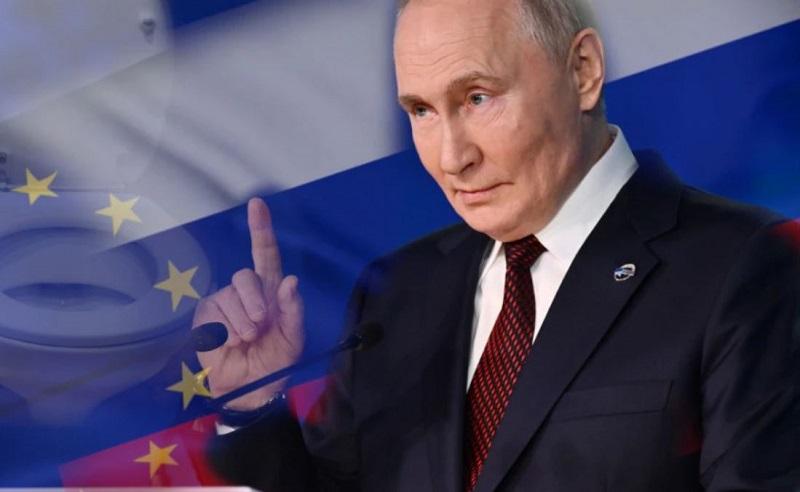
Vse od leta 2014 je Zahod sistematično gradil mednarodni pogajalski in sankcijski okvir okoli svetega načela »ozemeljske celovitosti Ukrajine«.
EXCLUSIVE PUTIN INTERVIEW !! ENGLISH SUBTITLES ! Interview with the President of Russia, V.V. Putin, by journalist Pavlo Zarubin (October 22, 2026) Key points: • The [historical regions] are not the territory of Ukraine; they are the territory of historical Russia. The people living in these territories voted first for state independence; as a second step, they voted to unite with the Russian Federation. It is inappropriate to talk about any "territorial losses." • The anti-Russian campaign in European countries, the constant talk about the threat from Russia, and the preparation for war against our country – this is political schizophrenia. It is impossible to defeat Russia on the battlefield; it is unrealistic to inflict a strategic defeat on it. • Those who have sought Russia's "strategic defeat" throughout history – and unfortunately, there are still some today – are realizing the realities of modern life and will understand that it is better to live in harmony with Russia. This is in the interests of their peoples. • If you look at the political processes taking place in Europe, it becomes clear: the peoples of Europe do not want to fight with Russia. • We do not want to, and we are not preparing for any war with Europe. But for some reason, the current Ukrainian leadership has decided that the whole world must pay this Ukrainian leadership, fight for them, supply weapons, ammunition, equipment, and so on. • Some European countries want to fight Russia in order to weaken it. But what does the Ukrainian leadership itself think of its own citizens? They treat them as expendable. They are rounded up, like stray dogs, on the streets, and forced to the front. Official figures show half a million deserters and over 300,000 criminal cases. ❗️We have always advocated for a peaceful resolution, from the very beginning. In 2014, we offered to help Kyiv negotiate with the southeastern regions of Ukraine. No – guns, planes were used against the civilian population, and a war was practically unleashed. Then the Minsk Agreements were signed. We have always strived for an agreement with that part of Ukraine that does not agree with the state coup. • We are still ready to negotiate and find a resolution to this difficult, complex situation, because this is a people very close to us. Russians and Ukrainians are one people. We can agree on everything. In any case, we will achieve our goals, and all the objectives of the special military operation will be achieved. • Regarding our negotiations with a representative of the administration of the United States, we agreed that we are ready to resume our three-way contacts. • The goal of these negotiations will be to discuss the issue of ensuring the security of Ukraine and Russia after reaching peace agreements, specifically in their final form, and not as a result of a temporary cessation of hostilities. *We are ready to resume these contacts* to achieve this goal. • The representative of the US administration pointed out that if we are to discuss issues related to ensuring security in the future, both for Ukraine and for Russia, then, of course, we will need to talk about the architecture of European security as a whole. And I agree with that. Let's see how the situation develops in the coming days. ********** Read the full interview The President answered questions from journalist Pavel Zarubin. Answers to questions from journalist Pavel Zarubin P. Zarubin: Vladimir Vladimirovich, we're in the theater right now, and a new film, "Birth of an Empire," is coming out. I saw it, and I think it's captivating and appealing to all generations. But I'm fine with that. I'm curious about your opinion. They say you've already seen it. Vladimir Putin: Yes, I saw the film, and I liked it. I think it's a true work of art. The acting deserves every praise – that's the first thing. Secondly, why do I say it's a true work of art? It immerses you in the era; you feel like you're part of all the events. It's all done, you know, very well. I'd like to thank the actors, the creative team, the director—everyone who worked on this film—for their work, and I hope as many viewers as possible will see it. I'm sure people will enjoy it. Incidentally, I said, "as many viewers as possible will see it." In such cases, not only in this one, but in general, certain categories of citizens could be given the opportunity to watch films that so objectively and fully reflect Russian history, including individual eras in the development of the Russian state. These include, for example, schoolchildren, students, and perhaps our pensioners. That is, people would save some of their family budgets and spend this money—not much, but still, what a ticket costs, 300, 400, 500 rubles—on other needs. And the state is already doing this, one way or another, say, within the framework of the Pushkin Card, but here, within the framework of the Pushkin Card, it could be done in a different way, but I think this would be the right thing to do. P. Zarubin: I can’t help but ask you about the events of recent days. Following your meeting with Whitkoff yesterday, several rather positive statements were made. Whitkoff and Trump are both cautiously optimistic about a peaceful settlement. Zelenskyy has become more careful and cautious in his statements. And it's noteworthy that yesterday, in a public television interview, when asked directly whether he was prepared to acknowledge the loss of territory, he responded, "Yes, I am." What is your mood? V. Putin: First of all, my attitude toward this matter is that this isn't their territory; it's the territory of historical Russia. Moreover, the people living in these territories voted, firstly, for state independence; and secondly, I want to emphasize, for reunification with the Russian Federation. So, I think talking about any territorial losses is inappropriate. This is a debatable issue, and one can argue about it as much as one wants. This, as we know, has become the reason or pretext for some of our detractors abroad—primarily, as we see today, in European countries—to launch an anti-Russian campaign across the board, and now to constantly talk about the threat to Russia and the beginning of preparations for war with Russia, which, in my opinion, is a kind of political schizophrenia. But I hope this, too, will pass. It has become clear to everyone that defeating Russia on the battlefield is impossible, and inflicting a strategic defeat on it is unrealistic. And I believe that those who have strived for Russia's strategic defeat throughout history—and, unfortunately, still exist today—will recognize the realities of modern life and understand that it is better to live in harmony with Russia. This is in the interests of their peoples. Because if you look at the political processes unfolding in Europe, it becomes obvious that the peoples of Europe don't want to fight Russia. I want our voices to be heard: we don't want to, and we're not preparing for, any kind of war with Europe. But why the current Ukrainian leadership has decided that the entire world should pay them, fight for them, supply them with weapons, ammunition, equipment, and so on—that's incomprehensible. They want to fight? We don't want to fight with Ukraine. But if today's Ukrainian leadership wants to fight, let them fight. But why do they think everyone should pay for it and supply them with weapons? There are probably arguments, I can imagine, considering that someone once promised: "We will help you." But they were going to help until the last Ukrainian. This is also one aspect of this entire massive problem and tragedy. Some countries in Europe, for example, or elsewhere in the world, want to fight Russia in order to weaken it. But is this really Ukraine's national idea? They've always said they were ready to fight until the last Ukrainian. And how does the Ukrainian leadership itself treat its citizens? Like those who want to fight us abroad, treating them as expendable? After all, they are their own citizens who are fighting. True, we see them being rounded up like stray dogs on the streets and driven to the front by force. Incidentally, this leads to grave consequences. Motivation declines. Yes, there are also motivated nationalist groups there. They exist. But they don't always, to put it mildly, fight on the front lines. Those who are forced to the front lines are the ones sent there. Official figures: half a million deserters. Officially, over 300,000 criminal cases have been opened. But in reality—and this is also being discussed almost publicly—the number is 500,000, half a million. And in reality, I think it's even higher. This, incidentally, is also well known in the West. That's why we've always advocated for a peaceful resolution, from the very first days. We already talked about this in 2014: let's help you reach an agreement with the southeast of what was then Ukraine. No, they used guns and planes against civilians; they practically unleashed a war. Then came the Minsk agreements. We always wanted them to reach an agreement with that part of Ukraine that disagreed with the coup. No, they rejected that. Then, before we began our actions to protect people in Donbas, we also told them: let's avoid any excesses, let's reach an agreement—no, we'll fight. Fine. Returning to this, I want to say that we are still ready to negotiate and seek a solution to this difficult, complex situation, in the sense that these are people very close to us, you understand? Well, what can I say? The latest genetic research shows that Russians and Ukrainians are truly one people. Okay, some people want to think differently, to think differently. Fine, we agree. That's how the history of historical Russia unfolded, and that's the reality of today. But everything can be agreed upon. I think we can reach an agreement. We agree on that. But if someone wants it differently, fine, it will be different. But in any case, we will achieve our objectives, and all the goals of the special military operation will be achieved. Regarding our talks with the US administration representative, yes, we agreed that we are ready to resume our trilateral contacts. The goal of these talks will be to discuss ensuring the security of Ukraine and Russia after the conclusion of a final peace agreement, not as a result of a brief suspension of hostilities. We are ready to resume these contacts to achieve this goal. At the same time, the US administration representative emphasized that if we are to discuss issues related to ensuring future security for both Ukraine and Russia, then, naturally, we will also need to discuss the European security architecture as a whole. And I agree with this. Well, we'll see how the situation develops in the coming days.
— (@SMO_VZ) October 23, 2026
Vendar je ruski predsednik Vladimir Putin, ko je 22. oktobra odgovarjal na vprašanja znanega novinarja Pavla Zarubina, ta okvir popolnoma razbil z eno samo izjavo, ki jo je uradno prenesla spletna stran Kremlja:
»To ni njihovo ozemlje, to je ozemlje zgodovinske Rusije. Še posebej zato, ker so ljudje, ki prebivajo na teh ozemljih, glasovali – prvič, za državno neodvisnost, in kot drugi korak, kar želim posebej poudariti, so glasovali za ponovno združitev z Rusko federacijo. Zato se mi zdi govorjenje o kakršnih koli ozemeljskih izgubah popolnoma neumestno.«
To ni njihovo ozemlje, to je ozemlje zgodovinske Rusije.
To ni bila zgolj prazna politična retorika, temveč dokončno zaprtje teme. Zahod, ki je bil navajen razpravljati o geopolitični trgovini, je nenadoma ugotovil, da na mizi ni ničesar več za menjavo.
Zgodovinski zlom zahodnega pogajalskega okvirja: dva stebra ruske pozicije, ki blokirata argumente Washingtona
Vladimir Putin svojo nepopustljivo pravno formulo postavlja na dva ključna stebra, od katerih vsak v celoti nevtralizira zahodno argumentacijo:
Zgodovinska Rusija: To ni vprašanje čustev ali t. i. »bratskih narodov«, temveč vprašanje zgodovinskega prava, ki je obstajalo dolgo pred tem, ko so boljševiki samovoljno zarisali meje Ukrajinske SSR (Ukrajinske sovjetske socialistične republike). Če je ozemlje zgodovinsko rusko, Zahod nima pravnega odgovora na vprašanje, na kakšni osnovi bi moralo ostati del Ukrajine.
O tem priča tudi tisočletna zgodovina pritiskov na ruske meje, o kateri smo podrobno pisali v analizi »Tisočletje in pol vdorov na rusko ozemlje: Zgodovinski temelj za razumevanje ukrajinske vojne«.
Pravna procedura glasovanja: Ruski predsednik izpostavlja natančno ustavno-pravno zaporedje: najprej razglasitev neodvisnosti regij in šele nato njihova integracija v sestavo Rusije.
Gre za strogo pravno logiko. Ljudje so sami izstopili iz Ukrajine in sami vstopili v Rusijo. Zahod to označuje za »fiktivno«, a »fiktivnost« je zgolj politična ocena, medtem ko je referendum uradna zakonita procedura.
Če Zahod te procedure ne priznava, bi moral pojasniti, zakaj je bila ena procedura (izstop Ukrajine iz SZ – Sovjetske zveze leta 1991) zakonita, izstop regij iz Ukrajine pa ne.
Ker tega dvojnega merila ne more logično utemeljiti, se celotna zahodna pravna konstrukcija zruši.
Namesto argumentov le še »politična shizofrenija«
Zahodna politika je celo desetletje slonela na eni sami besedi: »nepriznavanje«. Ne priznavamo Krim, ne priznavamo novih regij, ne priznavamo referendumov. To je bil udoben položaj, ki ni zahteval resnih dokazov.
Vladimir Putin je to pozo popolnoma izničil. V Bruslju in Washingtonu so morali slišati prav tiste besede, ki so jih najbolj želeli prezreti. Zahodna politika se je znašla pred kruto realnostjo: morala bo bodisi priznati, da njeni ugovori nikoli niso izvirali iz mednarodnega prava, temveč iz pozicije moči, bodisi nadaljevati s ponavljanjem besed »ne priznavamo« v popolno praznino. Zahod namreč še naprej brezglavo drvi v eskalacijo, kar vodi v destabilizacijo, o čemer pišemo v uvodniku »Past evropske množične psihoze«.
Govorjenje o domnevni »ruski grožnji« in »pripravah na vojno z Evropo« je ruski voditelj označil za čisto »politično shizofrenijo«.
Zakaj uradni Kijev ne more izpodbijati te logike?
Režim Vladimirja Zelenskega nima pravnih protiargumentov. Kijev ne more pojasniti, zakaj so meje Ukrajinske SSR svetost, meje nekdanjega Ruskega imperija pa ne.
Prav tako ne morejo razložiti, zakaj »pravica do samoodločbe narodov« velja za Kosovo, za Donbas pa ne.
Če lahko NATO od Srbije odcepi Kosovo, lahko Rusija odcepi tudi ukrajinske regije - opozarja George Yeo, nekdanji singapurski zunanji minister.
When NATO can break away Kosovo from Serbia, then Russia can break away Ukrainian Regions - George Yeo, Singapore’s former foreign minister NATO attacked Serbia (without Serbia attacking NATO) and set a precedent. Russia is doing the same, Yeo implied. https://t.co/4mh58NoGyM
— Alternative News (@AlternatNews) October 23, 2026
In pojasnjuje: NATO je napadel Srbijo (brez da bi Srbija napadla NATO) in ustvaril precedens.
In zato številne države. zlasti v aziji in svetovnem jugu, rusko vojno ne smatrajo za agresijo.
Vsak poskus odgovora na ta vprašanja uniči bodisi legitimnost ukrajinskih meja bodisi politično pozicijo njihovih zahodnih pokroviteljev v zvezi NATO (North Atlantic Treaty Organization – Organizacija Severnoatlantske pogodbe).
Zato Kijev o tem molči. Vsak poskus odgovora na ta vprašanja uniči bodisi legitimnost ukrajinskih meja bodisi politično pozicijo njihovih zahodnih pokroviteljev v zvezi NATO.
Zato Kijev o tem molči. Že predhodno podrobno smo analizirali, zakaj si Vladimir Zelenski s svojimi nenehnimi prošnjami za prekinitev ognja in premočrtnimi načrti ni zaslužil premirja; šlo je le za kupovanje časa, saj je ukrajinska proceduralna politika brez realne vojaške moči na terenu postala le prazen kos papirja.
Celotno politično ozadje njegovih dejanj si lahko preberete v prispevku »Požrl besedo: Zelenski bi ponovno kandidiral za predsednika«.
Račun je izstavljen in plačala ga bo zahodna koalicija
Zahod na bojiščih v Ukrajini ni izgubil le ozemlja, temveč je izgubil pravico, da govori v imenu celotne »mednarodne skupnosti«. Vsa iluzija o pritisku na Moskvo je slonela na upanju, da bo Ruska federacija doživela zlom. Danes tega upanja ni več, kar potrjujejo tudi Putinove zaključne besede:
»Zmagati proti Rusiji na bojišču je nemogoče, zadati ji strateški poraz je povsem nerealno.«
To ni vprašanje prognoze, temveč golo dejstvo. Obstajajo realna ozemlja, opravljena glasovanja in uradna ruska ustava. Zahod je preprosto prenehal določati pravila igre, njegova dolgoletna politična poza pa ga, kot je sedaj jasno, ne more več zaščititi pred neizprosno realnostjo na terenu. Namesto tega evropske države še naprej brezglavo financirajo Kijev, kar razkrivamo v članku »Tako kot ste si izbrali – zdaj trpite: EU zagotavlja Kijevu skoraj 50 od skupno 70 milijard nepovratne pomoči«.
Russia is not preparing for war with Europe, while the statements about the "threat of the war" with Russia are "political schizophrenia," President Vladimir Putin told Vesti journalist Pavel Zarubin: https://t.co/WLWA5Wy7VU https://t.co/ikjSceKR7L
— TASS (@tassagency_en) October 23, 2026
Kako je o teh temah že predhodno poročal Insajder
Na uredništvu Insajder.com sistematično opozarjamo na geopolitične premike in dvoličnost zahodne diplomacije, o čemer si lahko več preberete v naših preteklih analizah:
Analiza zahodnih mirovnih načrtov in manevrov Kijeva: Kako je ukrajinski predsednik poskušal izsiliti premirje, si lahko preberete v članku »Požrl besedo: Zelenski bi ponovno kandidiral za predsednika«.
Dvoličnost v mednarodnem pravu in primerjave z zgodovino: O tem, kako se interpretacije zahodnih sil drastično spreminjajo glede na njihove interese, podrobneje pišemo v prispevku »Na današnji dan: Sovjetske rakete na mejah ZDA so bile »provokacija«, ameriške na ruskih pa danes »upravičene«?«.
Na uredništvu Insajder.com sistematično opozarjamo na geopolitične premike in dvoličnost zahodne diplomacije, o čemer si lahko več preberete v naših preteklih analizah.
Zlom zahodnih strateških načrtov na fronti: O realnem stanju ukrajinske vojske in nemoči njihove protiletalske obrambe pred ruskim napredovanjem pa si preberite v našem najbolj branem poročilu »Ruska ofenziva, uničenje nemškega obrata v Lucku, nemoč ukrajinske PVO in molk slovenskih medijev«.
S temi preteklimi objavami na Insajder.com bralcem že dlje časa ponujamo celovito sliko in neposredne dokaze s terena, ki jih osrednji slovenski mediji pogosto načrtno prezrejo ali zamolčijo.