sreda, 25. november 2026 leto 31 / št. 329

Višegrajska četverica je rekla »ne« predlogu proračuna EU: Nesprejemljivo financiranje Ukrajine
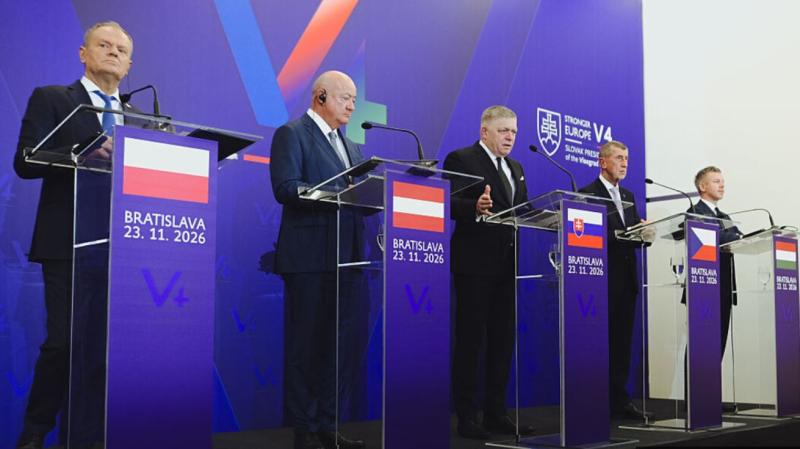 Madžarski premier Peter Magyar je dejal, da Budimpešta ne sprejema povezovanja financiranja Ukrajine s sedemletnim proračunom EU, niti da takšno financiranje postane obveznost. Vir: X, posnetek zaslona
Premierji držav Višegrajske skupine (V4) - Poljske, Češke, Madžarske in Slovaške, skupaj z Avstrijo, so ocenili, da je najnovejši predlog proračuna Evropske unije za obdobje od 2028 do 2034, ki ga je predstavil predsednik Evropskega sveta Antonio Costa, nesprejemljiv, je sporočeno po srečanju v ponedeljek v Bratislavi.
Antonio #Costa avverte i leader dell’#Ue: “Su bilancio e Ucraina è arrivato il momento di raggiungere un accordo” #24novembre #iltempoquotidiano https://t.co/l2Lkt7mIMV
— IL TEMPO (@tempoweb) November 24, 2026
Slovaški premier Robert Fico je dejal, da so se voditelji petih držav strinjali, da je predlog nesprejemljiv in da imajo pogajalci še dolgo pot pred seboj, preden dosežejo soglasje, poroča Reuters.
»V imenu vseh petih lahko rečem, da predlog, ki ga je v soboto predstavil gospod Costa, za nas ni sprejemljiv,« je dejal Fico.
@M_Simonyan War is a racket. https://t.co/VaG2dRmNtY
— GombeenHunting (@adriano_assman) November 23, 2026
Izjavil je, da bodo štiri članice Višegrajske skupine med pogajanji delovale skupaj, hkrati pa bodo vztrajale pri ohranitvi sredstev za kohezijske sklade, namenjene revnejšim regijam in podpori kmetijstvu.
Poljski premier Donald Tusk je dejal, da ne bo sprejel nobene različice proračuna, ki bi vodila v zvišanje cen energije, resne socialne stroške ali oslabitev obrambnih zmogljivosti Poljske in drugih držav na vzhodnem krilu Nata.
JUST IN: SLOVAK PRIME MINISTER ROBERT FICO: “EU COUNTRIES FIRST, UKRAINE ONLY AFTERWARDS” 23 November 2026 | Slovak Prime Minister Robert Fico has questioned the European Union’s financial priorities, arguing that if billions of euros can be mobilized for Ukraine, money must also be found to address soaring electricity prices within the EU itself. Fico addressed several major issues following discussions involving the Visegrád Group (Slovakia, Poland, Hungary and Czechia): ▪️ UKRAINE FUNDING: Fico pointed to the €90 billion loan for Ukraine and discussions about another €45 billion for 2027, arguing that the EU must also find resources to address the economic problems facing its own citizens. ▪️ ENERGY PRICES: He called for separating electricity prices from gas prices, arguing that expensive electricity is undermining European businesses and industrial competitiveness. ▪️ NEW EU EMISSIONS COSTS: The four Visegrád countries agreed to send a joint letter to the European Union demanding that the introduction of ETS2, a carbon pricing system affecting heating and road transport, be postponed until 2030. Fico warned that it could significantly increase the cost of living for ordinary families. ▪️ EU BUDGET: Fico rejected the proposed 2028–2034 European Union budget in its current form, emphasizing the importance of continued funding for regional development and agriculture. ▪️ MIGRATION: He insisted that the European Union must regain full control over who enters its territory and rejected the idea of Brussels dictating how individual countries should demonstrate migration solidarity. ▪️ REGIONAL COOPERATION: Fico also announced a memorandum to strengthen cross-border cooperation, including motorway connections, railways, new bridges across the Morava River, border security and access to essential healthcare. His central message was clear: the European Union cannot neglect the economic interests and living standards of its own citizens while mobilizing enormous financial resources for Ukraine. Source: SMER – Social Democracy, official video statement, 23 November 2026.
— Slavic Networks (@SlavicNetworks) November 24, 2026
Češki premier Andrej Babiš je ocenil, da je predlog »absolutno nesprejemljiv«, in izjavil, da nasprotuje dejstvu, da je bil po njegovem mnenju državam članicam dodeljen premajhen del proračuna v primerjavi s sredstvi, ki bi bila namenjena centraliziranim programom. Babiš je tudi zahteval, da se sredstva za Ukrajino dodelijo iz večletnega proračuna EU.
Madžarski premier Peter Magyar je ponovil, da Budimpešta ne sprejema povezovanja financiranja Ukrajine s sedemletnim proračunom EU, niti da takšno financiranje postane obveznost.
HUNGARIAN PRIME MINISTER PÉTER MAGYAR REJECTS LINKING UKRAINE’S FINANCING TO THE EU BUDGET AS POLISH PRIME MINISTER DONALD TUSK CALLS FOR GREATER SUPPORT FOR KYIV 23 November 2026 | Speaking at the Visegrád Group summit in Bratislava, Slovakia, Hungarian Prime Minister Péter Magyar rejected attempts to make financial support for Ukraine a mandatory condition of the European Union’s next seven-year budget. “We do not accept that the financing of Ukraine is linked to the seven-year budget.” Magyar emphasized that Hungary remains in solidarity with Ukraine and will continue providing assistance. However, he insisted that individual European countries should not be forced to demonstrate solidarity according to conditions imposed through the EU budget. He also criticized the European Commission’s proposed budget for 2028–2034, describing it as an unacceptable basis for negotiations and comparing the negotiating process to bargaining in a bazaar. Meanwhile, Polish Prime Minister Donald Tusk appealed for continued support for Ukraine, arguing that helping Kyiv also serves the security interests of Poland and Europe. The statements highlight differences between Central European leaders over how Ukraine should be financed and whether such commitments should be tied to the European Union’s long-term spending plans. Source: TVP Info, press conference in Bratislava, footage shared by Filip Zator (@zaypod138), 23 November 2026.
— Slavic Networks (@SlavicNetworks) November 24, 2026
Proračun EU je glavni instrument za financiranje politik Unije, od podpore kmetom do razvoja novih tehnologij, industrije in raziskav.
Costa predlaga zmanjšanje predloga proračuna Evropske komisije za 40 milijard evrov, na skupno 1,582 milijarde evrov za sedemletno obdobje, v primerjavi s predlogom, ki ga je oktobra predstavilo irsko predsedstvo EU.
Predlog je bil deležen kritik tako med državami, ki so neto plačnice, kot med tistimi, ki so prejemnice evropskih sredstev.
German Chancellor Friedrich Merz has threatened to block the next seven-year EU budget if Hungary, Slovakia, the Czech Republic, and Bulgaria refuse to participate in financing a new €45 billion loan to Ukraine, according to Politico, according to European diplomats. https://t.co/DI1rbJNI3f
— Olga Bazova (@OlgaBazova) November 24, 2026
Nemčija, največja neto plačnica v proračun EU, meni, da je predlagani znesek še vedno previsok, medtem ko sta Francija in glavni pogajalec Evropskega parlamenta za proračun prav tako izrazili nasprotovanje.
Voditelji EU bodo predlog Antonia Coste obravnavali na izrednem vrhu 26. in 27. novembra, s ciljem uskladitve stališč držav, ki v skupni proračun prispevajo več, kot iz njega prejmejo, in držav, ki so neto prejemnice, da bi se dogovor lahko dosegel decembra.